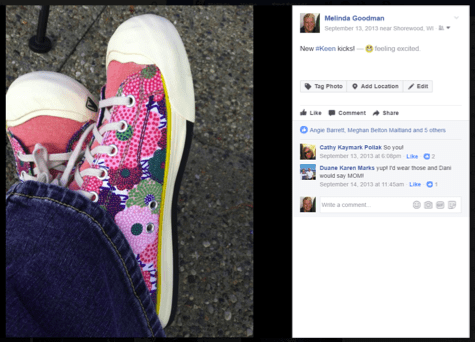
I love Zappo’s! (I also love shoes). There’s this amazing experience I have when I order shoes and sometimes they magically show up the next day, even when I didn’t pay for overnight shipping. I could order shoes anywhere, but I love the Zappo’s experience. When my new shoes arrive I take pictures and put them on social media and tell my friends. I don’t have many followers… I’m not a blogger with thousands of followers, but I still have friends that respond to what I post and trust what I tell them.
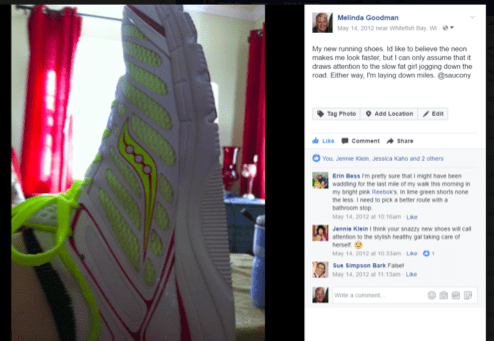
I also share my positive experiences with businesses, including a recent experience I had with a healthcare clinic.

The reason I tell you this to remind you the power of word-of-mouth marketing. And in today’s digital world, influencers are the new word-of-mouth marketers. They are all around us and they come in all shapes and sizes and are often considered either micro or macro influencers.
So are these online influencers more important than your neighbor? The answer is yes and no. Word-of-mouth marketing used to happen at school, work, church or dinner parties. Now, thanks to technology, word-of-mouth marketing via influencers happens online. It happens on Facebook, Twitter, Yelp, Instagram, blogs, Pinterest and more. We share photos and reviews and we tell people what we think. In fact, we tell people what we think often. There are over 1.8 billion users on social media. And those users are sharing a lot of content…729+ billion pieces of content to be exact and that same content gets a cumulative 3 trillion likes a year. That’s a lot of word-of-mouth marketing online. However, that same online experience still happens in real life too. It happens in all the same places it used to and by the way, those influencers are also neighbors, PTA members, Mom’s, car poolers and more.
So, where do you start? I mean it’s not like you can send every Facebook and Instagram user products and hope they post amazing pictures. But hey, Nutella, or Keen or Mike’s Hard Lemonade, if you are listening, I’m a rabid fan. 🙂
OK to be serious, you have a lot of options. You can spend big bucks on macro influencers like actors, reality TV personalities and even social media stars. There reach is often in the millions and their followers can be motivated to act based on the idea that they too want to be like them. When a Kardashian posts, a percentage of the world responds (both positively and negatively). Or, you can spend money on micro influencers. These are more of the regular average Joe’s with a greater than normal online reach that are just like you and me. They have kids, mortgages, jobs, and maybe a larger social following and voice than you or me, but they are real.
We get that sometimes they are paid to shill for a company or a brand, but they only do so (hopefully), if it’s a product they actually use and like. Because they are the working class, we believe it when they tell us something solves their problem for a weeknight dinner or helped get their kids to eat more veggies. We know there stories, their ambitions, their vacation plans and their baking failures. They’ve become a friend and a peer. Kim Kardashian, not so much. Plastic surgery, $1100 designer bags and vacations on yachts is pretty far from my life and I don’t think you know much about my needs.
In fact, data from MuseFind tells us that 92% of consumers trust an influencer (micro) more than they trust a traditional advertisement from a brand or even a celebrity endorsement.
These micro influencers typically have 1000-100,000 followers and they’ve established themselves as a credible voice in a particular space. Maybe it’s food, health and fitness, parenting or fashion. They are interesting, they stay on top of the trends and they have something to say. They are willing to tell their stories and say the things that sometimes us regular folks say in private with our girlfriends, but would never write on line. And when they do, we click ‘like’ and we can relate. We often go so far as to share that post with a friend or repin it for later use. Sometimes we’ll even click to learn more.
It’s because of this personal touch and influence that brands can benefit from the power of micro influencers. They can reach more people in their online community than a host of paid ads. Their message will be real…not fabricated in a conference room, it will be lived in their home, based on their life. That’s why we trust them. Sometimes they tell us about their messy kitchens and misbehaving kids. We get it. Me – the agency…I don’t tell you what went wrong in the photo shoot or how long it took us to get those 5 lines of ad copy just right. I show you a beautiful end result. Yeah, they’ve been paid to try this product or that…and they tell me so. But they also tell me what they think…both the reasons they like it, and sometimes the reasons they don’t. There work isn’t flashy…even if they have learned to take a carefully curated photo and a masterful video. And by the way, they’ve already built a community that likes them. That’s the difference of pay to play likes purchased by an expensive ad campaign and engagement garnered through influencer marketing.
So what are you waiting for? You know you have stories to tell. You know you want to sell the consumers who will ‘get you’ and love you the most. So why don’t you start with the influencers who are your fans? They have an audience, they are trustworthy, they can amplify your message and they can start a brand conversation that you get to be a part of. Your voice gets to become real, your story gets to be heard. You no longer need to be a man behind a curtain.
Influencer engagement can be some sponsored posts, but maybe, just maybe, it should be more. Maybe it should be a friendship, where together you write a story that becomes the very fabric of your brand that creates rabid fans.
Want to create an influencer program to reach new fans and spread your brand story? Contact us at Melinda@fulltiltmarketing.net