
Now There’s Something Leafier: How Plant Based Proteins are Chewing Up the Consumption Gap on Meat
Perusing Pinterest recipes or eavesdropping on orders at your local Starbucks will remind you that there are a lot of new proteins filling up the consumer viewpoint from nut butters and nut milks to tofu, seitan peas, lentils and beans, even though bacon is still feeling the love.
In a recent survey by Infiniti Research, they reported that animal proteins currently make up 55% of the protein market, but plant proteins are quickly closing the gap. In fact by 2020, plant based proteins are expected to grow at a rate of 7% and make up 47% of the global market.
With continued emphasis on health issues, a focus on nutritional balance that includes more protein and concerns for environmental sustainability, increasing numbers of consumers are educating themselves on new foods including plant based protein. Just last year the United Nations named 2016 the Year of the Pulse and the Today’s Dietician “What’s Trending in Nutrition” survey found that 67% of dieticians believe there will be a focus on high-quality protein choices as a priority in consumer diets.
The benefits of plant based protein include more fiber, healthy fats, vitamins and minerals along with less saturated fat, sodium and cholesterol. These health benefits are said to be beneficial for cardiovascular and brain health, as well as the prevention of Type 2 diabetes. But it’s not just health that drives consumers to plant based proteins. More and more consumers are identifying with social issues related to sustainability, environmental impact and animal welfare in their food choices and millennials even note the impact of the value equation with plant based proteins often more affordable than traditional meat based proteins.
Since 2003, Meatless Monday has provided an organized effort to get consumers to remove meat from just one meal a week and media hype, food bloggers and new products have also played roles in creating consumer interest and demand and Google Trend data confirms that searches of plant based proteins, peas and jackfruit are just some of the terms that are rising trends showing triple digit growth. In data presented by New Hope Media, it is believed that 7% of the U.S. population identifies as vegan or vegetarian but up to 40+% are flexitarians and report eating less meat and prefer some protein alternatives.
Alternative proteins like tofu have come a long way since their early days, and protein-rich foods like nut butters, nut milks and Greek yogurt have created new protein outlets in traditional product categories that have allowed mainstream breakthroughs for everyday consumers. New products continue to provide innovation to the meat category but must meet the same cost of entry demands that all new products face; versatility, easy to use, great flavor, good value, transparent ingredients, quality and more. And it seems many products are up to the challenge across all grocery categories with pulses getting the nod for what’s hot.
Today, lentils, hemp seeds, chia seeds, quinoa, spirulina, nutritional yeast, seeds, nuts, beans, peas, and tofu are making their way into new products and more shopping carts. Here’s a round-up of some of the interesting plant-based protein products making waves today.
Cornerstone Grain – Whole Wheat Flour Blend
We loved helping this grain farming family in Canada tell their story about their new flour blend. This flour is a blend of wheat but also contains faba and flax that increases the protein content of the flour. And of course, the transparency of where the grain comes from, how its grown and that it is traditionally milled add to the quality of this product.

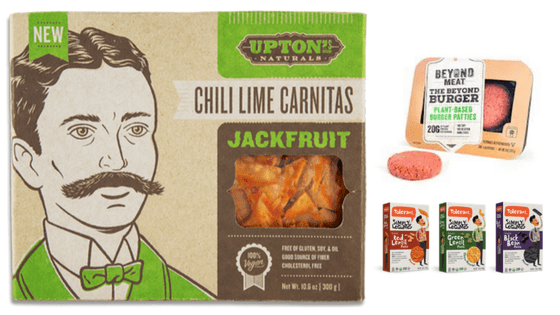
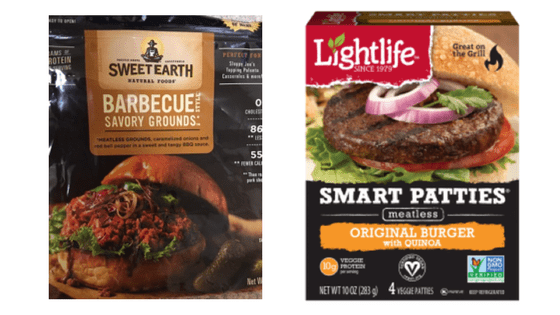
And these new products from companies including Better Bean, Beyond Meat, Field Roast, Upton’s Naturals, Lightlife, Mamma Chia and more show you the range of products that are being created with an eye to innovation, texture and flavor. New plant based protein products are showing up as meat substitutes, pasta, and snacks ready for the pickiest of vegetarians, but also today’s socially conscious flexitarians.

From jackfruit pulled pork to nutritional yeast sprinkled on pasta and popcorn, today’s consumer is getting serious about plant based proteins. Trends will always be a driver of new products, but consumer demand will determine what products find a lasting place in the market.
Want to figure out how you capture new markets with new products? Drop us an email at melinda@fulltiltmarketing.net
Written by Melinda Goodman
Managing Partner
Melinda@FullTiltMarketing.net
