

Armed with my list of household items, I was shopping in Target when I stopped in my tracks to look at a visually appealing display of a kitchen table decorated with lots of accessories and more displayed in bright and airy stands on the shelves behind it. In an era when a shopper spends less than ten seconds looking at a merchandising display, I stood in front of this kitchen presentation for a good minute pondering purchasing one or two of the accessories that were not on my list.

Those of us in food marketing can learn a lot about merchandising from Target and other specialty stores. Elevating every aspect of the shopping experience will be a key merchandising trend for 2017 along with finding ways to personalize and tell a story.
Target has been rolling out what it calls “home innovation” areas that showcase housewares in vignettes that help shoppers imagine how items would appear in an actual dining room or kitchen rather than just put on a shelf. And this has been so successful that Target is hiring 1,400 visual merchandising experts.
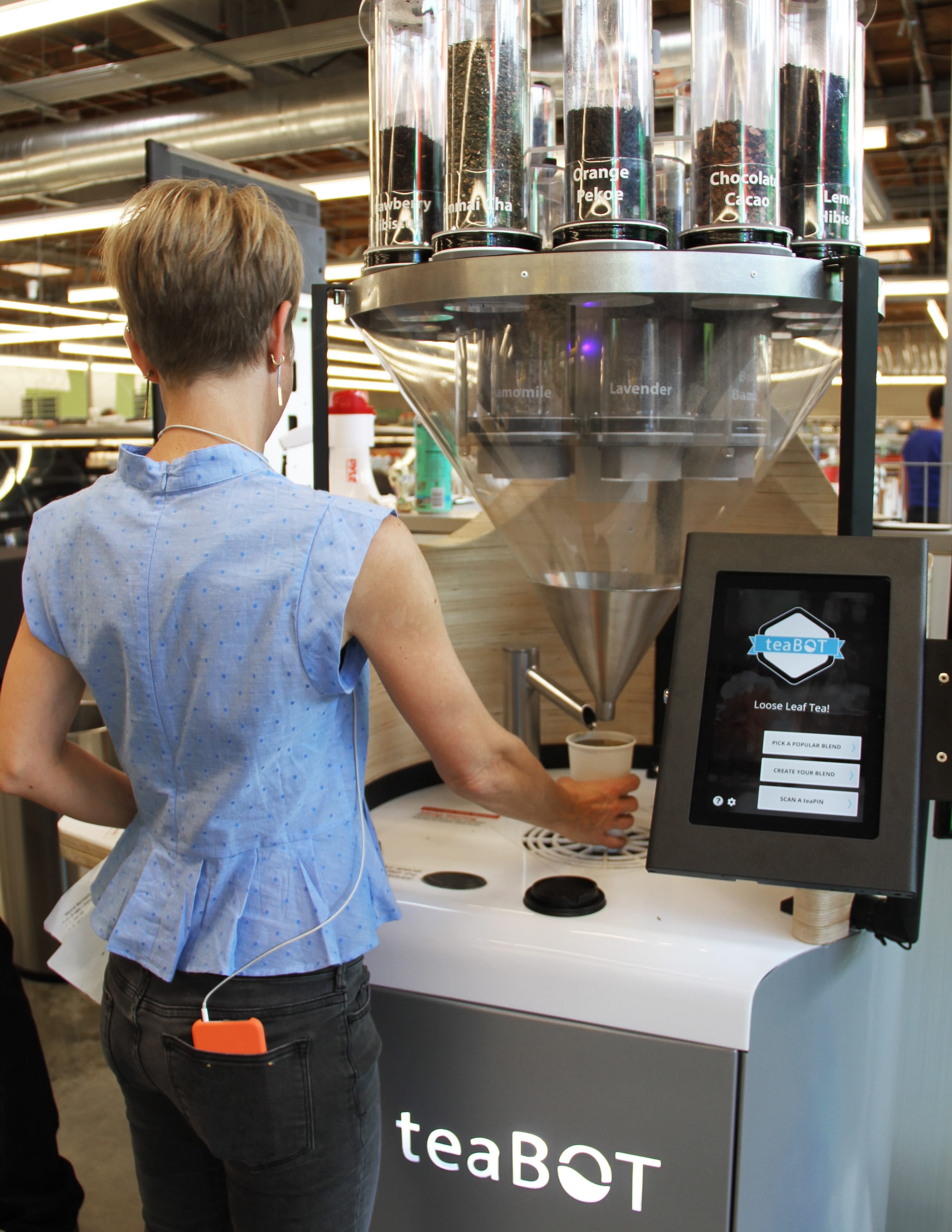
Supermarkets, such as 365 by Whole Foods, are also seeking to curate a unique experience for shoppers. As an example, their Silver Lake store features a craft brew and coffee bar serving Allegro Coffee Co. coffee, beer and food items. The Toronto-based store includes a teaBOT that’s a self-serve kiosk providing personalized tea beverages, with the option to mix up to 3 of 18 different teas and herbal ingredients, in less than 30 seconds. Retailers who can provide unique in-store events will see their sales rise in 2017.
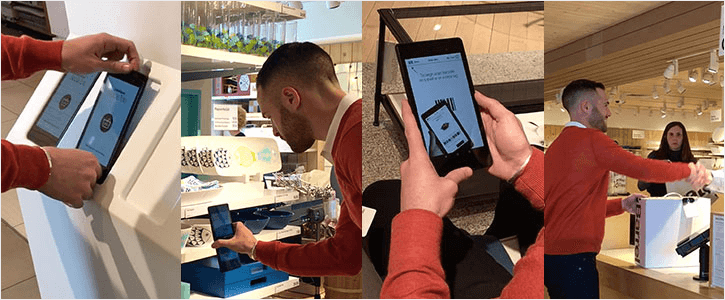
Another key retail trend is to implementing “omnichannel” shopping experience by bringing the amenities of the digital world into brick and mortar stores. A good example is Crate + Barrel who recently tested a program called “Mobile Tote” that allows shoppers to browse the shelves using store-provided tablets.
The tablets can be used to learn additional information about products by scanning bar codes as well as to add items to wish lists and enlist the help of sales associates.
Self-service items such pizza, salads and bowls are ordered through in-store kiosks at Whole Foods 365. Through Starbucks’ mobile app customers can order and pay before picking up in-store proving convenient time-savings.
What can we learn from these trends?
It’s all about the shopping experience. Whether it’s creating unique, visually appealing displays that tell or story or combining digital to create more convenience with kiosks or tablets, consumers (especially millennials) want shopping to be more enjoyable and interactive.

