

Unless you live under a rock, and don’t have internet or TV, I’m sure you’ve heard of at least one of the new meal box subscriptions. Quickly, many people could probably name at least one, if not all three of the most popular in the space like Blue Apron, Plated and Hello Fresh. But for those in the food industry watching this movement with growing interest, the list is even deeper as we follow the rise of local, regional, and even additional national upstarts like Home Chef, Sun Basket, Local Crate, Green Chef, Peach Dish and Gobble to name just a few. Wow, how do you begin to choose!
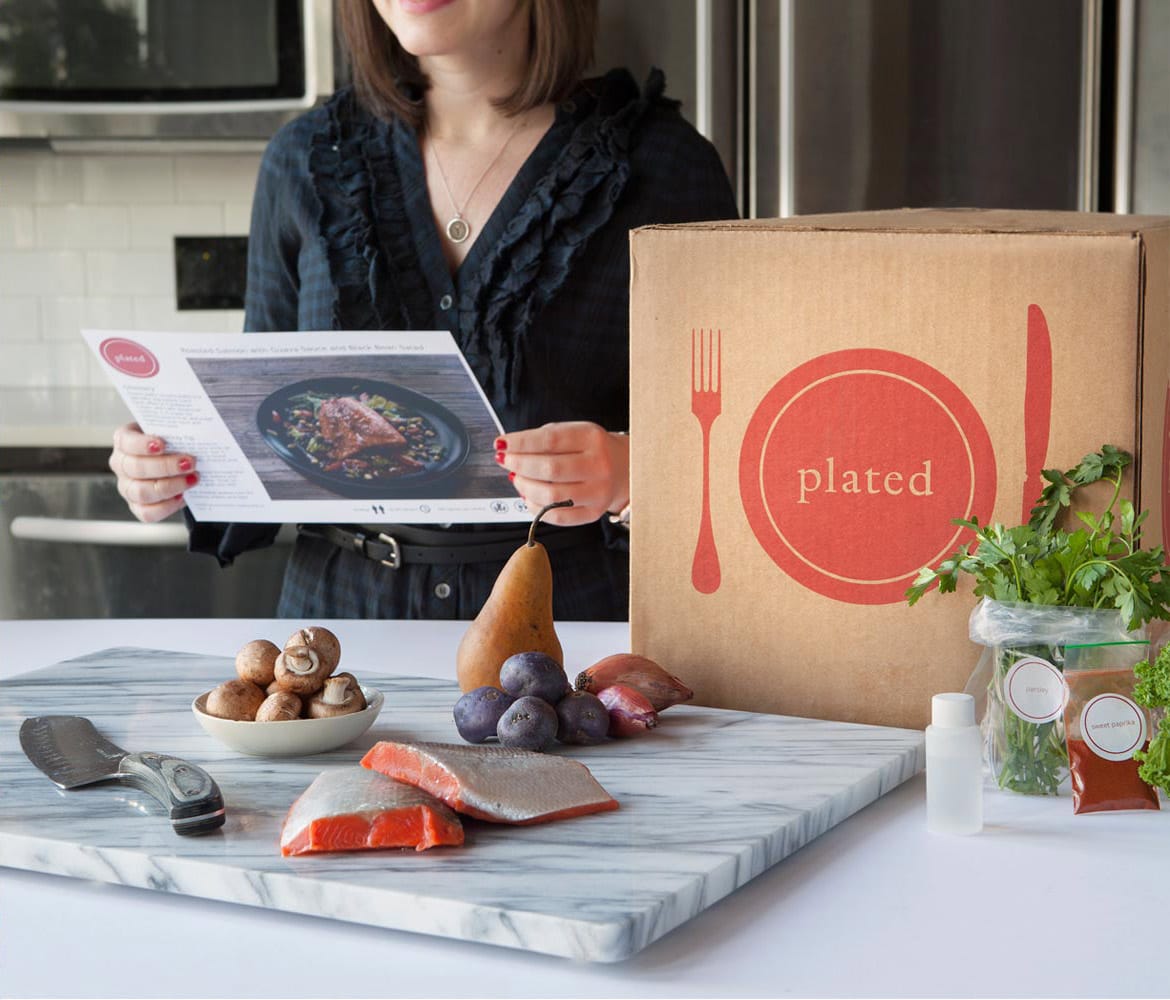
So why are these meal subscriptions getting so much attention and finding success and what does it mean to the future of grocery retailing. Several weeks ago I partnered with Sherry Frey of the Nielsen Perishables Group to share our thoughts on the future of the shopping experience to the produce industry. As we shared insights on changing consumer demographics and cultural mindsets, we also shared the power of technology and how it was changing the grocery industry through disruptive innovation, and meal boxes are on the forefront of that disruption.
Superficially, it’s easy to say that meal subscriptions will not replace the brick and mortar grocery store. That it’s unrealistic that the majority of consumers will choose to have all of their meals and shopping needs delivered via subscription services. That may be true, but it is also safe to say that Blockbuster didn’t expect that consumers would rent videos through an online service and begin to livestream movies and TV shows without ever having to leave their home until Netflix proved them wrong. (P.S. Blockbuster had the chance to buy Netflix early in the game and passed). It’s safe to say that the taxi industry underestimated that the ease and transparency of hailing a ride and not exchanging money in the car would allow Uber and Lyft to deeply cut into the traditional taxi industry. Virtually every industry is being transformed by technology and the ability to create an easier experience for the consumer – including the act of grocery shopping.
When asked, consumers share how much they dislike grocery shopping. Everything from the time it takes to go to the store, making shopping lists, not making lists and not getting what you need or getting to much and wasting it, waiting in line, hauling groceries inside and putting them away, the list goes on and on. And additionally, new millennial shoppers report that that they don’t understand the grocery because products aren’t merchandised in way that makes sense to them or are easy to find. This is the reality of changing demographics and new cultural norms and the traditional grocery store is not keeping pace.
Initially, the revolution came in the form of online ordering and delivery. Amazon and Peapod offered a service that took at least some of the hassle out of shopping. In fact, just the other day, my friends were raving about ordering toilet paper and other bulk goods on Amazon because it was so much easier and cheaper than going to the store.
Then online shopping 2.0, enter meal box subscriptions. This new industry disrupter found even more ways to remove the hassle. They provide multiple meals in one box – with all of the ingredients. Basically, they made your meal plan, your shopping list, shopped for you and delivered it. You just need to cook. And they also do most of the prep work in advance giving you only the portions you need so you can eliminate waste. Besides raving about ordering toilet paper online, my friends are also raving about their meal kit subscriptions. They tell me how delicious the recipes are, my non-cooking friends say they are easy to prepare and in fact they are learning to cook. Others say they save time and money because they aren’t going out to eat and they consider the options healthier.
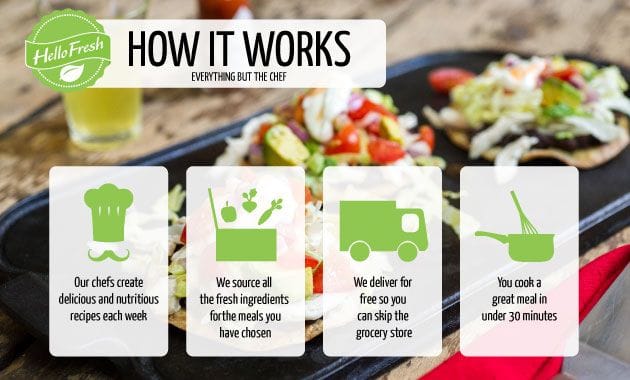
And that’s just the anecdotal evidence. But the numbers speak for themselves. Blue Apron is valued at $2 billion and has 2,500 employees. Plated is already at $100 Million in revenue and is experiencing 500% annual growth and Hello Fresh has over 500,000 subscribers and delivers 7.2 million meals per week. Today, these numbers are a small fraction of the shopping population, but a powerful cross section of consumer spending and demand. And as these organizations grow, additional disruptors offering new and improved versions of the meal box subscription continue to pop up offering additional disruption to the disruptors.
The question remains – is this trend short lived or a sustainable advancement in the evolution of grocery shopping. Only time will tell. But the reality is these box products are serving a growing niche and selling a lot of products. It is a trend not to be ignored – so get on board or get left behind. First, fresh product providers and brands need to be looking at partnering with these meal subscription companies to get their products on the menu and in the box. These companies are doing what no retailer has done and every brand/product craves. Creating connections to your food – by telling its story and teaching you how to use it and enjoy it. And secondly, retailers should be taking notice of what these disruptors are doing.
Retailers should be asking what services can I bring to my existing customers in the form of ready-to-use or ready-to-consume meal kits that are both delicious and healthy to meet consumer demand. Because let’s be honest, you’ve sold a lot of rotisserie chicken and potato salad but it’s not the future that consumers want.
Written by Melinda Goodman
Managing Partner
Melinda@FullTiltMarketing.net
