
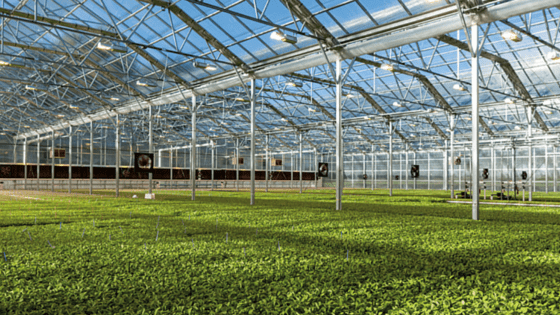
A new generation of farming entrepreneurs continues to grow and expand the local movement. Spurred by consumer desires for transparency and sustainability, the local movement is moving beyond farmers markets and rooftop gardens and is now about more than seasonal greens.
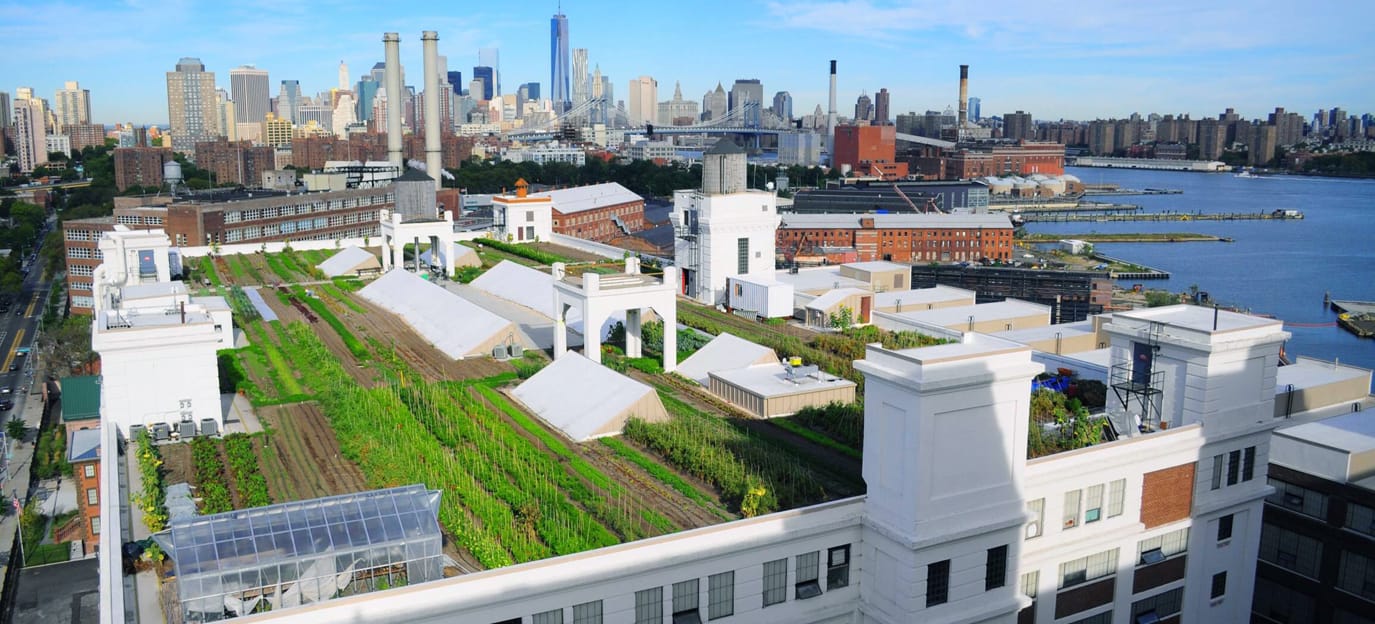
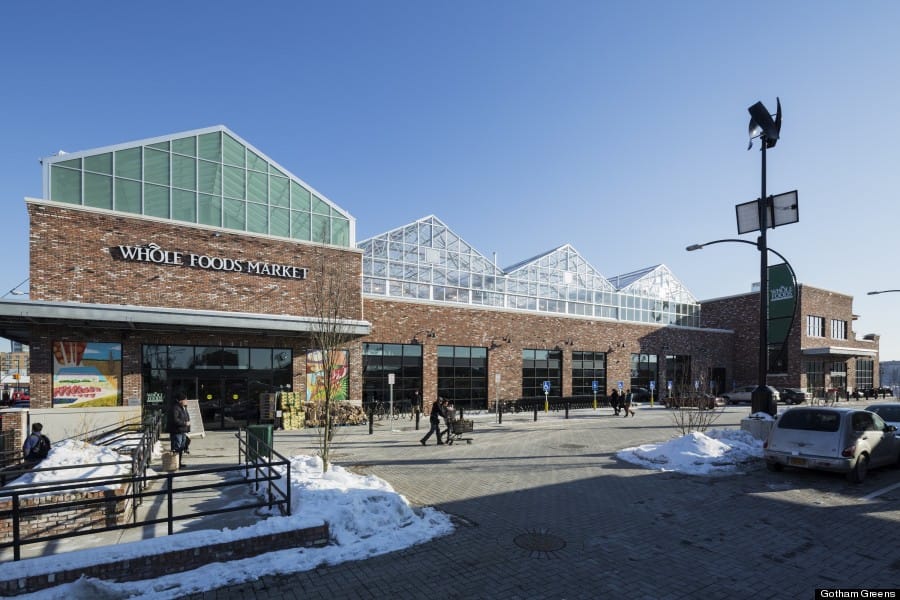
Several years ago I was inspired by Bright Farms as they started partnering with retailers to incorporate urban agriculture with greenhouses at or near grocery stores. But Bright Farms is not alone. A whole host of new urban agriculturalists are coming to realize that even urban jungles have “growing” potential. From Brooklyn Grange in New York that produces over 50,000 pounds of produce a year to New York based Gotham Greens that recently just expanded to Chicago these farmerpreneurs understand the power of the consumer. But there’s even a new generation of hyper local emerging with the likes of Edenworks. I recently read about their story in Fast Company and how they are not only growing greens in a warehouse, but they are also creating an entire sustainable ecosystem that also includes raising fish that are also sold locally.
Hyper local may not keep the supermarket stocked year-round, but it does help bring agriculture back to the people and get eaters closer to their food. One of the challenges the agriculture industry has faced over the past 50 years is the urban sprawl that is directly associated with the decline of rural America. As consumers left rural America for urban areas they left the bread and salad basket regions of agriculture. As they commuted from the suburbs and hailed cabs in the cities, they no longer seen cows and tractors, they didn’t know farmers who were their neighbors or sat next to them in church and they no longer knew where there food was grown – they were detached.

For consumers to care about agriculture and their food, they need to feel a connection to the people and places that grow it. Despite the fact that NYC is the most populous area of the United States, nobody in agriculture would have guessed that Brooklyn was the next epicenter of agriculture.
Big Ag has something to learn from small farmers who are exploring new technology and new products in the heartbeat of the consumer culture. It begs the question how can we all work together to meet consumer needs and help consumers learn to love their farmer again.
Written by Melinda Goodman
Managing Partner
Melinda@FullTiltMarketing.net
