
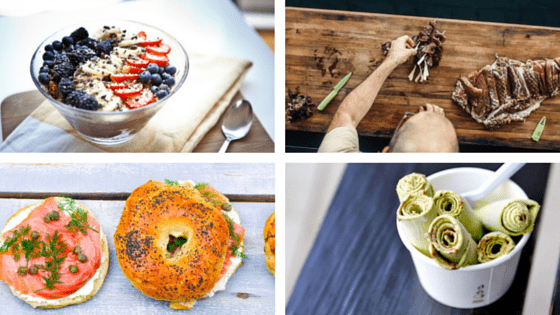
Rolled ice cream, cricket flour and turmeric, oh my! You’ve probably seen videos of these foods or mentions of them fly through your Facebook newsfeed in those fun Buzzfeed or Taste videos, but pretty soon, hot trendy food items like these will be finding their way to your local restaurants and grocery store shelves. Here’s a look at what we think the hot new food trends will be this year and what you can expect to see less of as well.
Bring The Heat
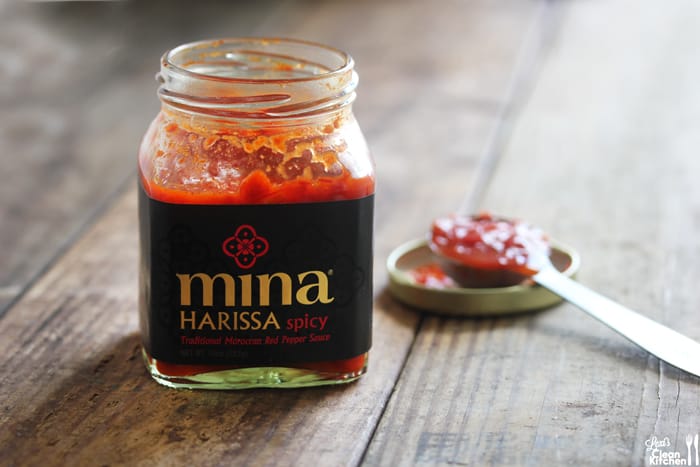
Spurred by the hit of Sriracha, new and exotic spices will be making their way into dishes and your pantry shelves this year, but don’t expect to see Sriracha as often as you use to. Influenced by Middle Eastern and African flavors, spices and condiments such as harissa, sambal and Indian ghost pepper will be not only becoming the heat on your meals, but are also finding their way into cocktails and desserts. Alongside of exotic flavors, expect to see more local spices like Nashville-style hot foods, especially fried chicken, as well.
Drinks Are On The House (or at least made by them)
Spurred by the surge in homemade and craft beer brewing, and the renewed interest in artisanal and homemade inspired items, housemade beverages will be appearing more frequently on menu listings. While this will include the traditional homemade lemonade that many restaurants already custom make in house, it will now include housemade soft drinks, mocktails with unique ingredients, specialty iced teas and coconut water. Of course though, the biggest item in the housemade beverage trend will still be craft or locally produced beers—many restaurants have also made the next step and converted parts of their space into a breweries as well, providing not only hyper-local beer (note that double trend here), but entertainment for customers.
Artisanal Ice Cream
Over the past few years, we’ve seen new twists on this traditional sweet treat from non-dairy blends that use coconut milk or soy as their base, brave new flavors and more recently, flash frozen ice cream popup shops. But new artisan ice cream brands are pushing the limits even further and are introducing savory flavors such as Summer Corn, Cream Cheese and Rye, and Salted Caramel with Bacon, or taking it one step further and including actual vegetables in their ice cream blends (check out that blog post here: more info on those). Outside of bold flavors, you can also except to see new ways of ice cream being served, like the new hot trend of rolled ice cream (a traditional Thai street vendor dessert actually) that’s been taking New York by storm, or the Taiwanese shaved snow cream.
And I’ll Take a Side of Fried Crickets?
While you more than likely won’t be getting a plate of fried crickets for an appetizer any time soon, insects have slowly become a hot new ingredient to use. Easy to transport, low-cost, nutritious and an environmentally friendly source of protein (perhaps even more than animal meat) are all reasons why many chefs have begun looking to using insects. Above all other insects (meal worm being a top contender though on the global scale), crickets are the popular choice, being made into flour and used in everything from milkshakes by Wayback Burger in Connecticut, protein powders, chocolate and coffee flavors.
Hyper-Local Sourcing
Locally sourced foods by no means is a new trend, but many restaurants and even retail stores are starting to take it one step further by providing or using hyper-local foods and ingredients. (Hyper-local means that products are actually grown or produced on-site) Restaurants have been the champion of this trend (started by the farm-to-table movement) by growing the herbs and vegetables they use many times on rooftop gardens, window planters or even as interior décor in planters. As the demand for locally sourced food and transparent storytelling continues to grow, hyper-local sourced ingredients will only continue to flourish and begin to become a more common place item on menus.
Poke
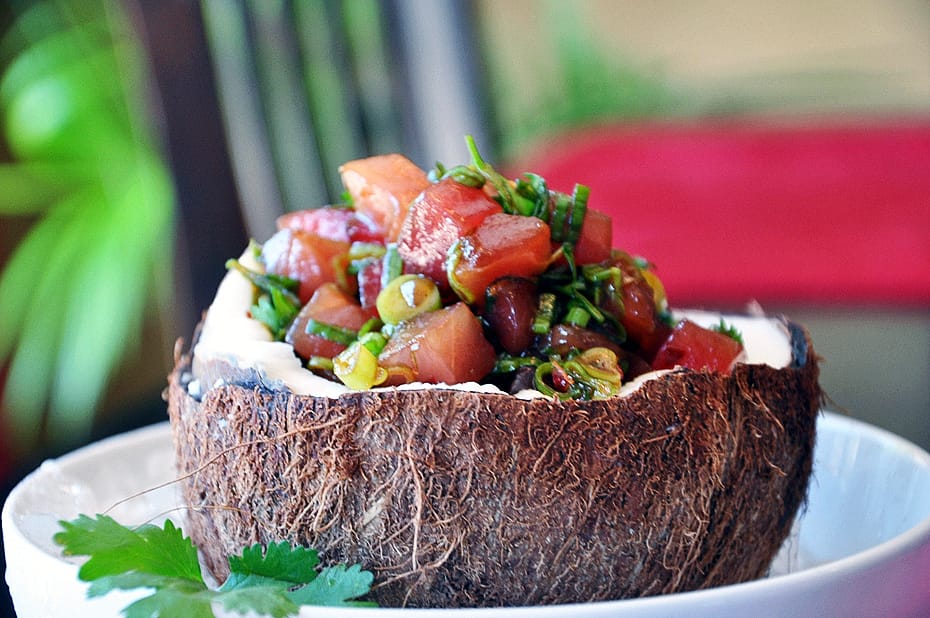
This traditional Hawaiian salad consists of raw fish, seasonings, sauce, fruits and vegetables, and as many people start looking for unique and flavorful meal options that are also fresh, healthy and light, poke stands to make a big splash this year. And with its wide range of possible ingredient combinations, it gives consumers a chance to customize it to their specific tastes.
Artisan Butchery & Meats
Whether it’s unusual cuts of meat, grass-fed or local animals, or unique meat dishes, artisan is the name of the game when it comes to meats now. Due to the rising cost of beef in particular, many butchers and restaurants that feature meat-centric dishes have started looking towards less frequently utilized cuts of meat, such as the teres major shoulder tender, which not only opens the door for better supply and demand for a lower cost, but also gives them a sense of culinary adventure that draws customers in. Another aspect of artisanal butchery that you can expect to see on menus is fresh, homemade sausage, an element that can give chef’s accreditation for their culinary skill, but also provides the basis for unique dishes that are lower in cost for their customers.
An offshoot of this trend is the rise in small, independent butchers and even restaurants, that have begun purchasing whole animals to process themselves.
Vegetables, Vegetables and Even More Vegetables
With the increasing cost of animal protein, the scares over hormones, GMO’s, general health concerns around meat and the ever growing population of flexitarians, vegetables have been making a come back like it’s nobody’s business. And now it’s not just as side dishes or accompaniments, but as whole plate superstars. Vegetable versions of whole foods or protein sources are starting to find their way on to restaurant menus and taking up more space in grocery store shelves. Even fast food chains are also jumping on this trend; take for instance, White Castle’s veggie burger on a vegan bun. Even in meat-centric restaurants, you’ll start seeing cauliflower steaks and spiralized noodles.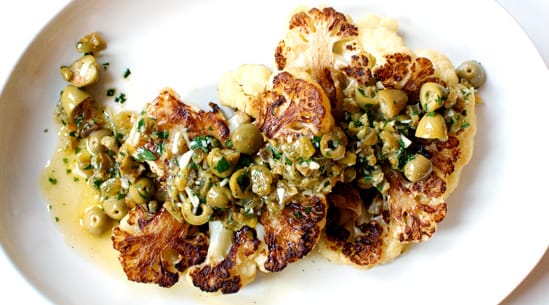
“Healthification” of Fast or Fast-Casual Food
This trend has arrived fast, and furiously. A recent survey noted that roughly 36% of consumers are worried about the “chemicals” used in their foods, and in another survey, 40% of consumers noted that use of all-natural ingredients, free of GMO’s is important to them. In response to this sentiment, surprisingly many fast food or fast casual restaurants have been at the forefront of this trend, perhaps though set by the precedent of Chipotle despite their very recent food safety concerns. Healthifying menus comes in many different avenues, Panera Bread has pledged to remove all artificial coloring from their foods, Subway and McDonalds have mentioned removing GMO ingredients or products, and many more have noted they will be using cage-free eggs as well.
Spice of the Year: Turmeric
This spice has long been a staple of Eastern medicine, and is now finding its way into both sweet and savory dishes, health food stores and juice and smoothie shops.

Other Trends and Popular Items You Can Expect To See This Year
- No tipping restaurants
- Fermented anything—pickles, eggs, beets, radishes, carrots served as appetizers or as palate cleanser to main meals
- Jewish cuisine—bagels, lox, challah, potato pancakes
- Acai bowls—taking the reign over smoothies
- Avocado oil instead of olive oil
- Home brewed specialty coffee using pour over methods
What’s Still Popular But Fallen To The Wayside
- Kale—will seaweed be a big enough trend to kick kale off its throne this year?
- Quinoa
- Non-wheat pastas/noodles
- Coconut Water
- Gluten-free craze
Items That Are Becoming Mainstream After Being A Trend For A Few Years
- Healthy kids meal options
- Environmental sustainability (food waste reduction and management)
- Farm branded items and ingredients
- Food Trucks
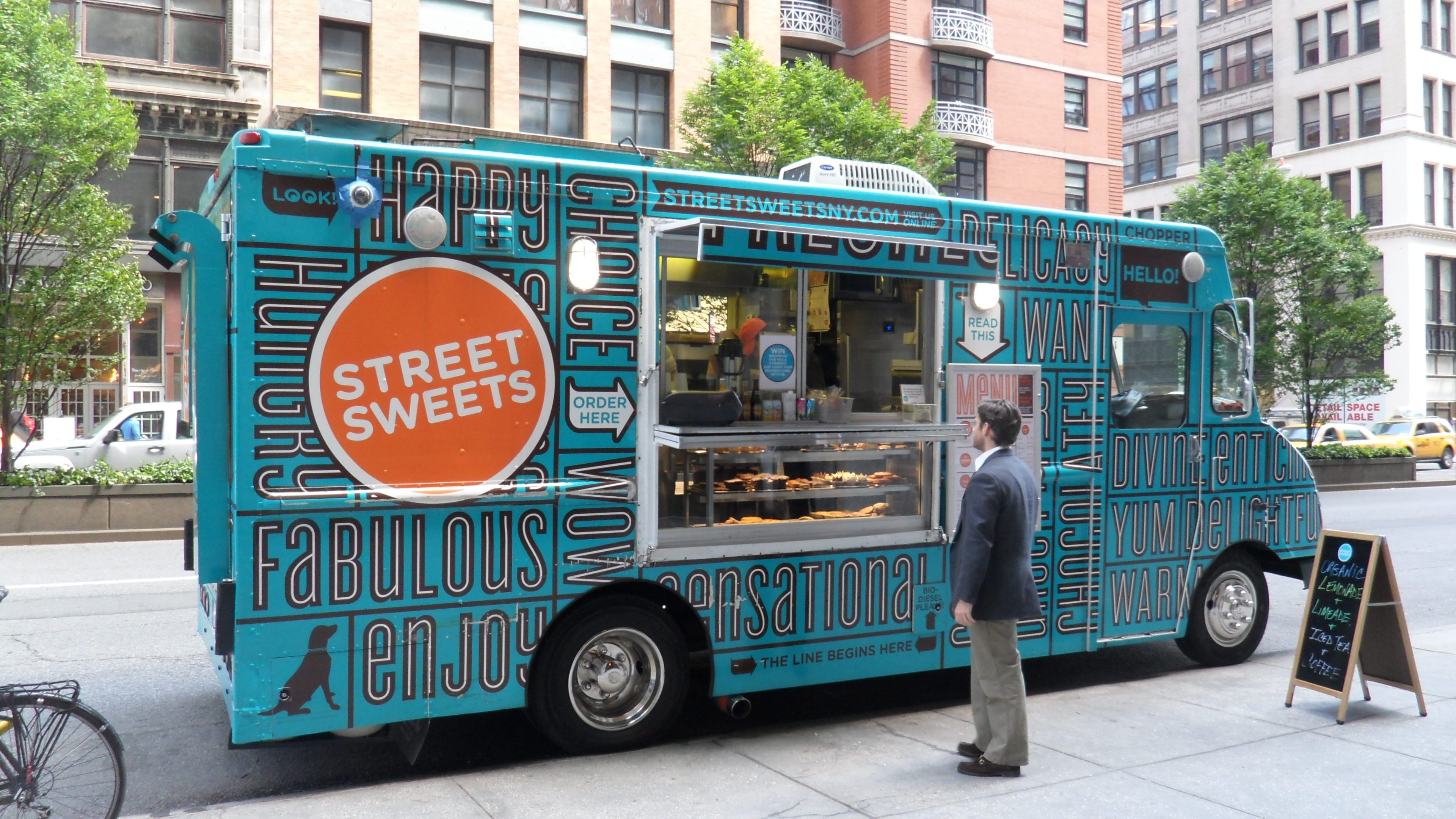
This list is by no means all-inclusive. The point is, a global world and growing health and sustainability concerns are driving the food industry. Stay tuned for more of our take on what’s new and possible based on these food trends.
Want to explore how your business can take advantage of these or other food trends, drop us an email or shoot us a message on Facebook.
Written by Alison Eiler
Marketing Coordinator
