
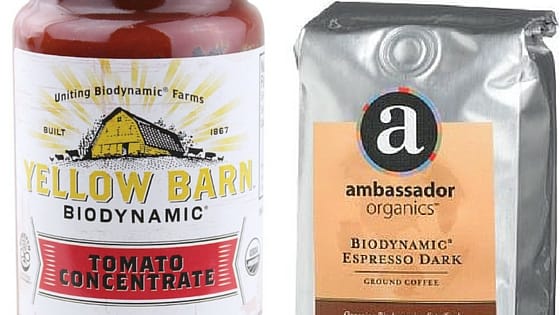
Having grown up and worked in the agriculture industry for my entire life – I hear lots of words and acronyms that are often confusing and sometimes even scary for consumers. But despite my continued involvement in agriculture, I too have things to learn and I am also a consumer.
Over the years I had heard the word biodynamic farming occasionally, and I knew it was similar to organic agriculture, but I didn’t give it much more thought or research, until recently. First, an ad for a biodynamic wine popped up in my Facebook feed. Then just a few weeks later, I saw an ad for biodynamic heirloom marinara sauce in a magazine. Made me stop and think – hmmmm – this must be a thing now, I probably need to learn more about this.
So with my friend Google I did a quick search to learn that the origin of biodynamic agriculture actually dates back to the 1920’s and was one of the first sustainable agriculture movements. Biodynamic farming is also very similar to organic agriculture but takes additional steps to move toward on farm self-sufficiency limiting outside/off-farm inputs.
Biodynamic agriculture has definitely had its ebbs and flows, in the 1920’s, again in the 40’s and off and on during modern times. To date, biodynamic agriculture is practiced in 50 countries around the world with the heaviest presence in Germany. Practitioners of biodynamic agriculture must meet organic certifications, but must also be certified by the Demeter Association.
So despite this fancy terminology – what does biodynamic mean for the consumer? Just like every type of food practice from organic to genetically-modified to irradiated, it is a type of practice that has its positive and negative associations and each consumer needs to decide if the food practice fits their personal beliefs and lifestyle practices. Similar to organics – biodynamic food products have not been proven to yield safer or more nutritious food products. For lifestyle proponents, purchasing biodynamic food products will provide the added assurance that you have a greater understanding of how your food is produced and its impact on the environment.
So what food items can be biodynamic? Any food items that are grown and certified under the Demeter standards for biodynamic agriculture. Like organics, what started as a fringe movement related to local farming and CSA’s continues to grow and gain acceptance in both the agriculture and consumer world with products in nearly every category from both large and small producers and boutique brands and small brands alike.
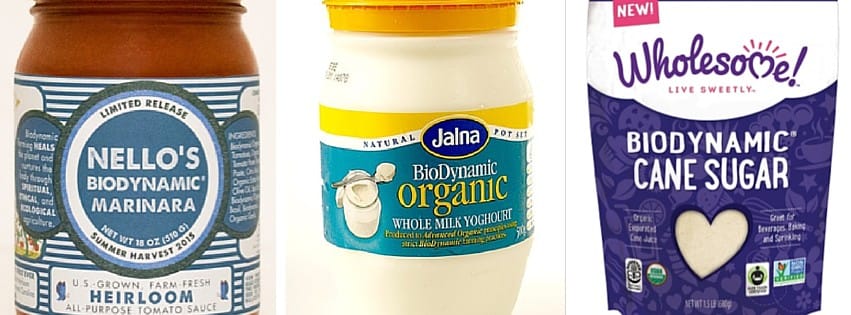
It’s hard to say what the future of biodynamics will be and if we will see a rapid rise of biodynamic agriculture and labeled food. Will biodynamics be the new organics? It’s hard to say – but what is clear is that an ever changing consumer that strives to be connected with the producer will continue to create opportunities for food producers to create unique niche markets to serve interested consumers. And what’s niche today, often finds its way to mainstream acceptance.
Written by Melinda Goodman
Managing Partner
Melinda@FullTiltMarketing.net
